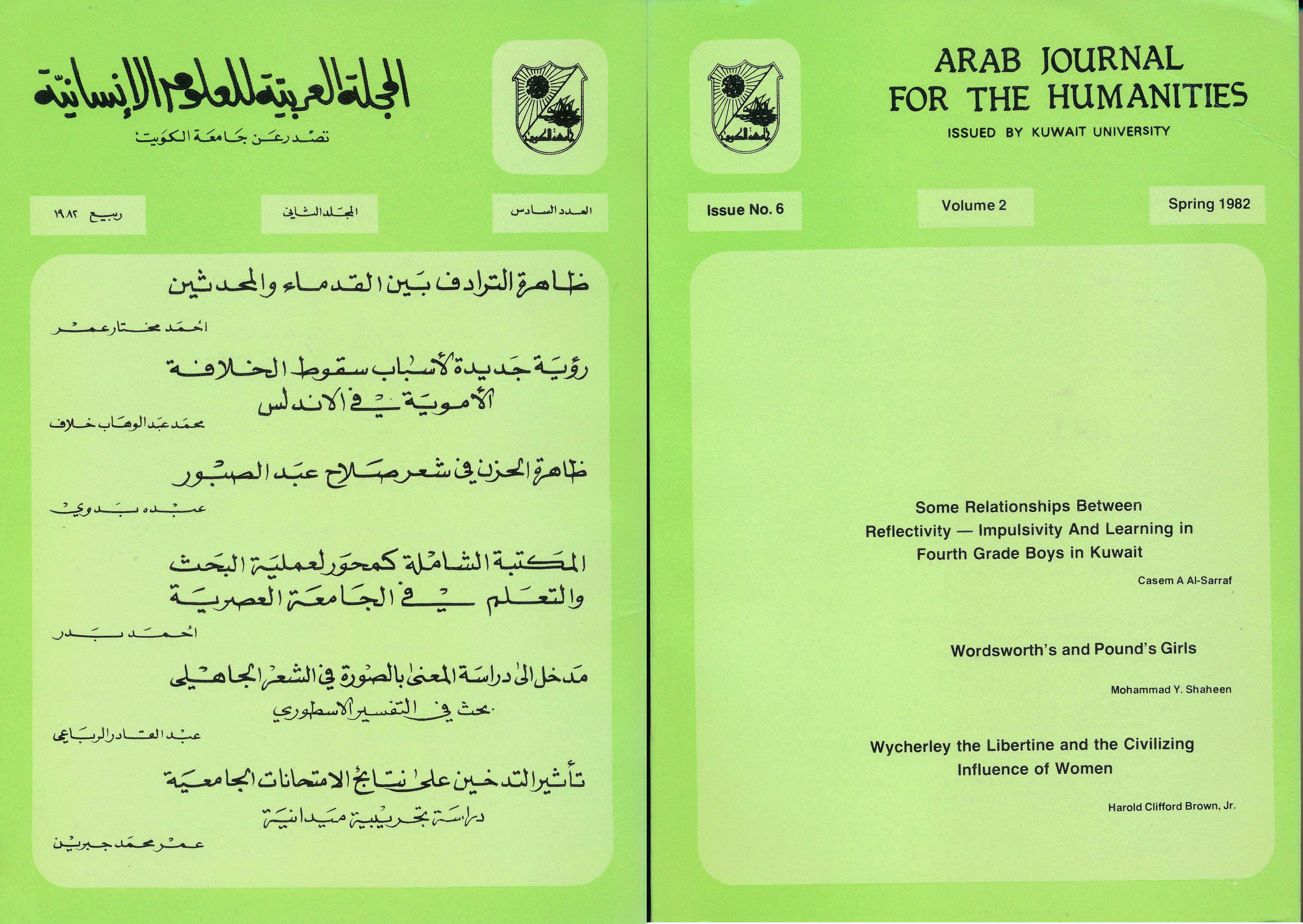
A New Outlook On The Causes Of The Fall Of The Omayad Caliphate In Al-Andalus.
DOI :
https://doi.org/10.34120/ajh.v2i6.727Résumé
The principal aim of this paper is to throw a new light on the major causes of the fall of the Omayad Caliphate in Al-Andalus in the eleventh century A.D (fifth Hegira Century). The paper is based on the available sources of the history of Al-Andalus.
The above-mentioned causes fall into four categories: those related to the political regime, the social, the economic and the military causes. Causes of each category have been subdivided into various elements, and all the elements have been analysed in detail.
Politically, the position of the caliph was slighted and disrespected when Hisham al-Mu’ayyad (just a child and underage) was put on the throne and was prevented from practicing his legitimate authority, and when Abdul-Rahman ben al-Mansour was appointed a crown prince. Also, the intrigues of the women of the Royal Palace and their interference in politics had adverse effects.
Socially, the Berbers played a role in the downfall of the Omayad Caliphate. Al-Mansour ben A’mer destroyed the main Andalusian aristocracy which was, throughout the ages, the mainstay of the state. Ben A’mer brought into Cordova, the capital, new inhabitants who were loyal to him. Thus, he created ill-feeling and hatred between the original people of Cordova and his followers, the A’merites.
Economic and military causes also played important roles in exhausting the human and material resources of the state.
All these causes together led to the gradual disintegration of the Caliphate regime and hastened its decline and fall.
Téléchargements